
Aromatherapy, the practice of using essential oils extracted from plants for therapeutic purposes, has been a cornerstone of holistic health for centuries. Rooted in ancient traditions, it has grown in popularity in modern times due to its ability to promote relaxation, alleviate stress, and improve overall well-being. This article explores the benefits of aromatherapy and its applications, supported by credible references.
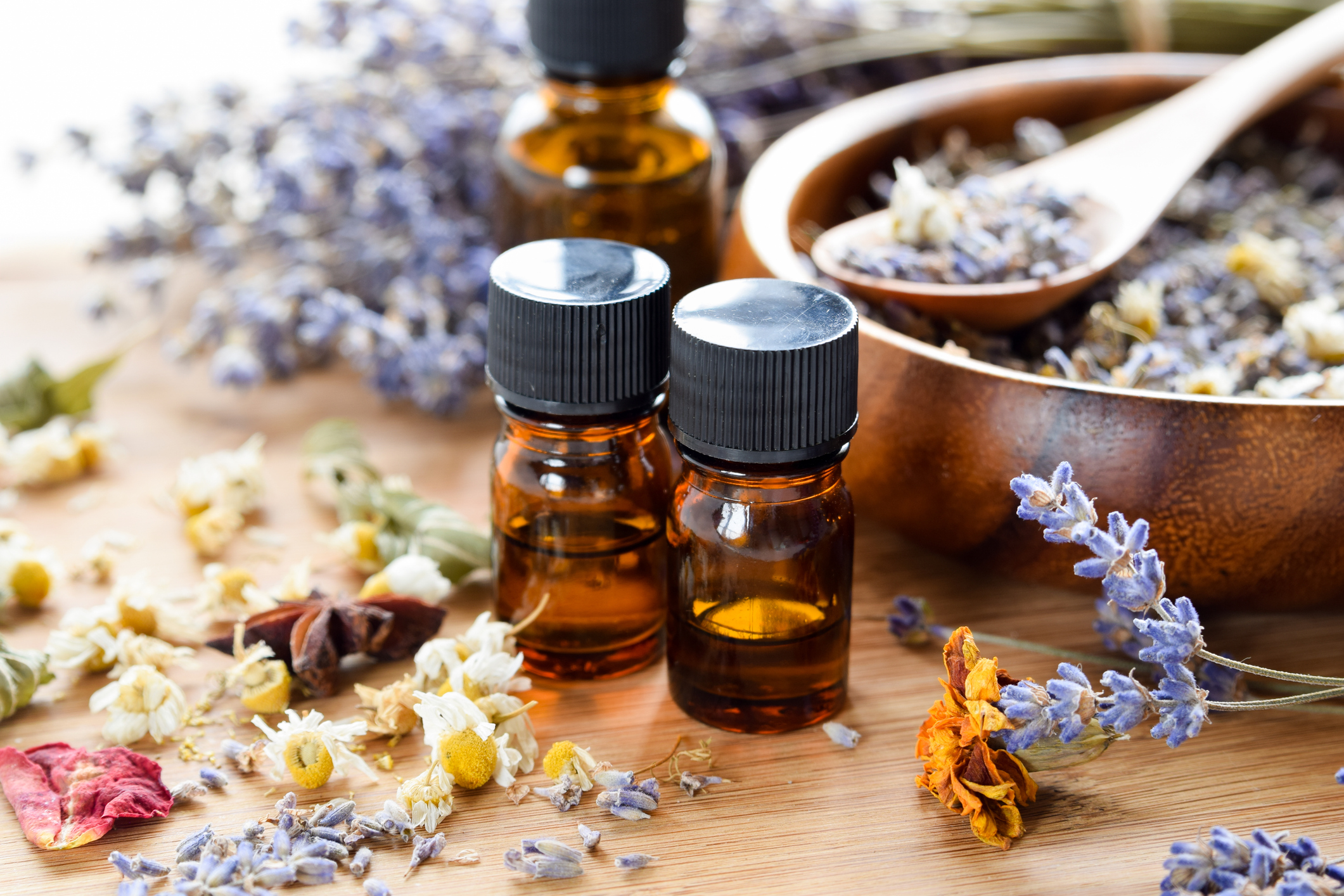
The use of aromatic plants for healing dates back to ancient civilizations. Egyptians utilized essential oils in religious rituals and embalming, while Greek physician Hippocrates recommended aromatic baths and massages for health (Keville & Green, 1995). In the 20th century, French chemist René-Maurice Gattefossé coined the term “aromatherapy” after discovering lavender oil’s healing properties on a burn wound.
Essential oils stimulate the olfactory system and influence the brain’s limbic system, which controls emotions and memory. Research has highlighted several benefits:
While aromatherapy offers numerous benefits, it is crucial to use essential oils safely:
Aromatherapy is a natural and effective way to enhance mental and physical health. Whether through relaxation, improved sleep, or pain relief, this ancient practice offers profound benefits in today’s fast-paced world.
1. Keville, K., & Green, M. (1995). Aromatherapy: A Complete Guide to the Healing Art. Crossing Press.
2. Malathi, M., & Patil, N. (2017). “Effect of lavender oil inhalation on anxiety.” Journal of Clinical Nursing.
3. Moon, T., et al. (2019). “The efficacy of essential oils in sleep enhancement.” Alternative Therapies in Health and Medicine.
You May Also Like
Tools for Effective Pain Management at Home – DHW Blog
The Golden Elixir: Unveiling the Health Benefits of Olive Oil – DHW Blog
Choosing the right health and well-being coaching program is a deeply personal decision—especially when it’s tied to one’s journey of healing and growth. As a cancer survivor and now a health and wellness coach supporting cancer patients, Ed Jones wanted the best training to serve his clients with expertise and ...
READ MOREIn the rush of deadlines and meetings, kindness can often be overlooked. However, research shows that workplace kindness is crucial for employee well-being. Regular acts of kindness enhance morale, reduce stress, and foster collaboration and productivity. Here are five ways kindness can improve well-being at work.

Art can support healthcare providers by boosting their skills and emotional awareness. Engaging in art enhances observation and empathy, key qualities for patient care. Here are three ways making art fosters a more compassionate approach to healing.


